

Effects of ultraviolet sterilization on bacteria and viruses
发布时间:2021-10-12 15:07
来源:萤光创新
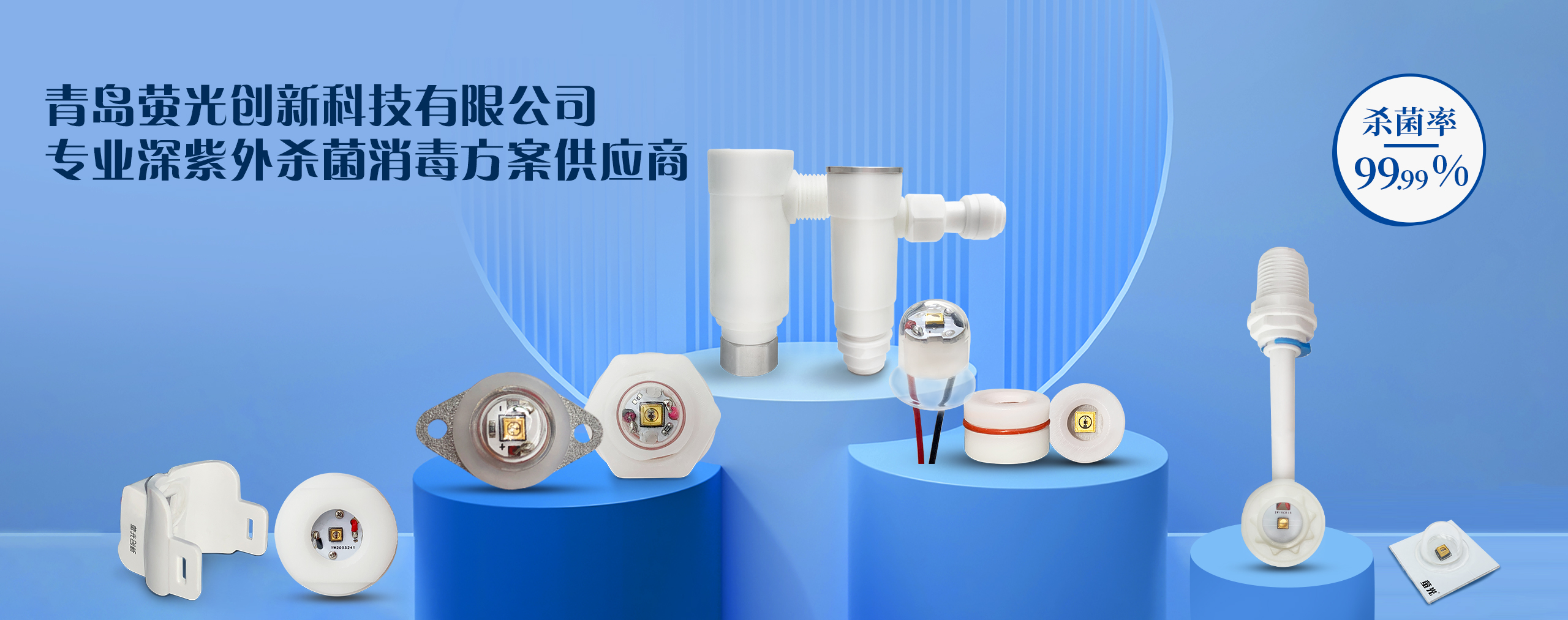
What is the effect of ultraviolet sterilization? Is it effective against bacteria and viruses? What are the advantages and disadvantages? With more and more UV sterilization products on the market, you may wonder whether they are worth trying. So let's start!
As early as the middle of the 20th century, ultraviolet has been used for sterilization and disinfection. With the progress of technology, especially the progress of UV LED itself, its reliable long life (thousands of hours) and smaller size (such as UV LED and traditional UV bulb) broaden its application field. You will find that it is used to disinfect: water, air, fruits, vegetables, surgical instruments, tablets, toys and various surfaces.
When it comes to ultraviolet sterilization, not all kinds of ultraviolet rays are effective. What does that mean? Technically speaking, ultraviolet (UV) is "the color other than invisible purple", which refers to a series of electromagnetic waves with shorter wavelength (higher frequency and energy) than visible purple light. Ultraviolet light can be divided into three types: wavelength reduction and energy increase. They are UVA, UVB and UVC. For ultraviolet sterilization, only UVC (220-285nm) with high enough energy can effectively kill microorganisms. When you buy ultraviolet sterilization products for trial at home or in an enterprise, please ensure that the ultraviolet wavelength is within the range of UVC (220-285 nm).
Is ultraviolet sterilization effective for viruses and bacteria? The short answer is yes, even killing more organisms. Studies have shown that UVC at 254 nm is effective against all foodborne pathogens, natural microbiota, molds and yeasts. Because microorganisms have different sizes and shapes that affect their UV absorption, the time required to kill each species varies.
How does ultraviolet light disinfect things? Ultraviolet sterilization is also known as ultraviolet disinfection or ultraviolet sterilization irradiation (UVGI). Its function is to destroy some chemical bonds and disrupt the structure of DNA, RNA and protein, so that microorganisms cannot reproduce. When a microorganism cannot reproduce, it is considered dead because it cannot reproduce in the host and is no longer infectious.
"Dead." That sounds perfect. How long does it take to turn these nasty things into a "dead" state? Let's talk about the details of the damage. Since ultraviolet sterilization uses ultraviolet energy to destroy biomolecules, its effectiveness depends on the total energy applied, which is affected by the length of exposure time and the distance from the light source. For example, if you use an ultraviolet lamp within 1 inch above a Petri dish with E. coli, it only takes 1-2 minutes to show complete disinfection. Disinfection of surgical instruments in medium-sized UV boxes may take 5-10 minutes. For disinfection of an 8-foot biosafety cabinet in the laboratory, the usual recommendation is 30 minutes. Of course, each disinfection method has its advantages and disadvantages. Let's take a look:
| Advantages of ultraviolet sterilization | Disadvantages of ultraviolet sterilization |
| It is easy to use and does not need chemicals. Therefore, you will not leave any chemical residues. | UVC is dangerous to humans. This is why UVC lamps with protective covers are usually used for ultraviolet disinfection. Remember to avoid direct exposure to UVC, especially skin and eyes. |
| It can kill all kinds of microorganisms, including drug-resistant bacteria. | It has a big limit! UVs work only in their light path and can be blocked by objects. Make sure that the items you want to disinfect are directly consistent with ultraviolet light. You can minimize this problem by using multiple UV bulbs to generate UV radiation from different angles. |
Another limitation of UV sterilization is that UVC can cause so much damage to protein and DNA / RNA that they can not be used in biomedical products. For example, UVC sterilization of viruses can cause so much damage to the surface proteins of viruses that they cannot be used as vaccines to induce appropriate immune responses. A different "UV inactivation" method is used in biomedical products to retain the virus surface protein and effectively inactivate the virus. This is also our method for UV inactivation and purification of virus products, because we hope to use the complete viral protein of UV treated virus for biomedical purposes, such as antibody generation.
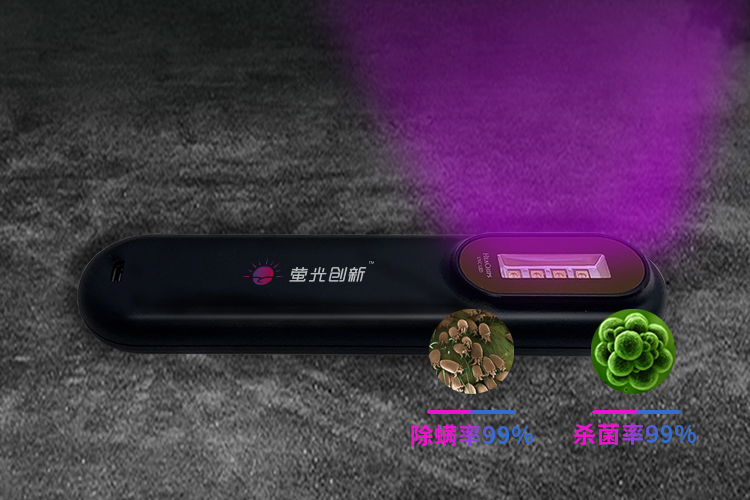
Finally, whether you are looking for a robot to disinfect the counter or a sterilization stick that can be waved on the hotel sheets, ultraviolet disinfection is a good choice. Remember that for any equipment you purchase, it is important to follow the manufacturer's instructions on light source distance, exposure time and safety precautions.
Qingdao fluorescent Innovation Technology Co., Ltd. has a professional postdoctoral team, focusing on the research of ultraviolet sterilization application. After years of deep cultivation in the ultraviolet industry, the company has obtained a number of national invention and utility model patents. At present, a number of sterilization module products have been put into the market. For more details, you can browse the company website www.qdyingguang.com, contact the company for WeChat's official account.
Article key words: UVC, UVC led, deep UV, UV sterilization, deep UV LED, water sterilization, flowing water sterilization, static water sterilization, UV bacteriostasis module


